

Table of Contents
- What Makes Roadside Assistance Insurance "Solid" and How to Choose the Best Plan
- The Best Roadside Assistance Options: Comparing Insurance Add-ons vs. Membership Clubs
- Car Insurance Roadside Riders: The Most Cost-Effective Choice
- Stand-Alone Motor Clubs (AAA and Competitors): Best for Frequent Travelers
- Manufacturer and Credit Card Programs: The "Hidden" Coverage You Might Already Have
- Essential Features of a High-Quality Roadside Assistance Policy
- Towing Distance Limits and Destination Flexibility
- The Real Cost of Roadside Assistance: Fees, Premiums, and Out-of-Pocket Expenses
- Smart Alternatives to Paying for a Roadside Assistance Subscription
- Common Roadside Assistance Myths and Mistakes to Avoid
- Frequently Asked Questions About Roadside Assistance Insurance
- Does roadside assistance follow the driver or the vehicle?
- Is roadside assistance worth it for a brand-new car?
- How long is the typical wait time for a service provider to arrive?
Breaking down on a dark highway is stressful enough without the added fear of a massive towing bill or a service provider that never shows up. In this guide, we’ll cut through the marketing jargon to identify which roadside assistance plans offer genuine reliability versus those that leave you stranded with hidden fees. Our recommendations are based on a rigorous analysis of current market premiums, service response times, and the fine print of the nation’s top affordable insurance companies.
What Makes Roadside Assistance Insurance “Solid” and How to Choose the Best Plan
A “solid” roadside assistance insurance policy is defined by two critical factors: the reliability of the dispatch network and the transparency of its coverage limits. In the United States, a standard tow can cost anywhere from $75 to $125 for the first five miles, with additional mileage fees ranging from $2 to $5 per mile. A solid plan eliminates these unpredictable out-of-pocket spikes by providing a generous towing radius—ideally 15 miles or more for basic plans and 100+ miles for premium tiers—alongside 24/7 support that actually answers the phone.
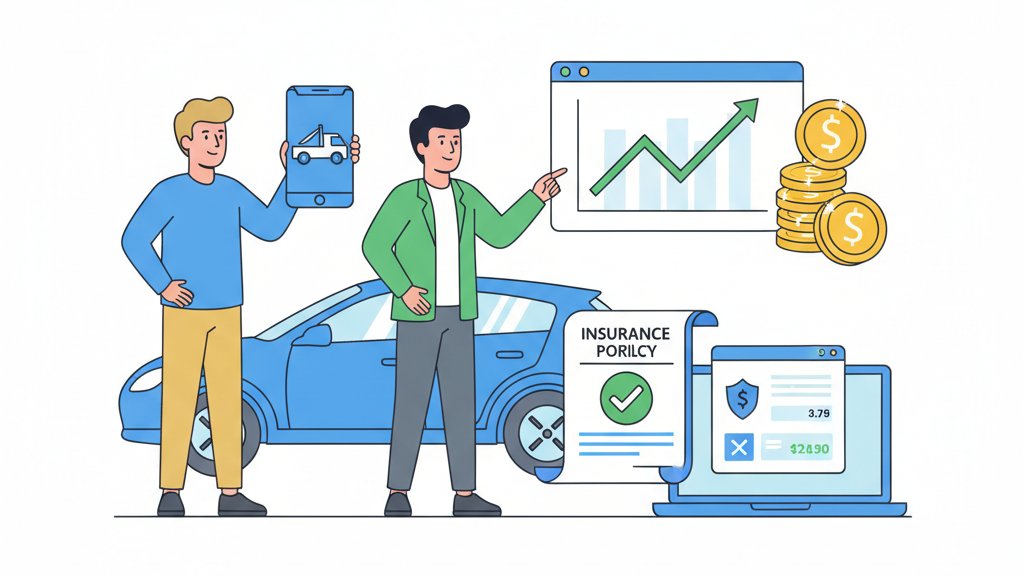
To choose the best plan, you must first evaluate your driving habits. If you primarily commute within a 10-mile radius of your home, a low-cost add-on to your existing auto and motorcycle insurance policy is likely your most efficient financial move. However, if you frequently take cross-state road trips, you need a plan that follows the driver, not just the vehicle. Look for providers that offer digital tracking, allowing you to see the service vehicle’s location in real-time on your smartphone.
Important: Always verify the “hook-up” fee is included. Some budget plans cover the mileage but pass the initial $50–$100 hook-up fee directly to the consumer at the scene.
The Best Roadside Assistance Options: Comparing Insurance Add-ons vs. Membership Clubs
When searching for solid roadside assistance insurance, you generally have two paths: adding a rider to your current car insurance or joining an independent motor club. The choice depends on whether you prioritize the lowest possible monthly premium or the most robust service guarantees.
| Feature | Insurance Add-on (e.g., Geico, Progressive) | Motor Club (e.g., AAA, Better World Club) |
|---|---|---|
| Typical Annual Cost | $10 – $25 | $55 – $160 |
| Coverage Follows… | The Vehicle | The Member (Driver or Passenger) |
| Towing Limit | Usually 10–20 miles or nearest shop | 5 to 100+ miles (Tier dependent) |
| Impact on Premiums | May count as a claim | No impact on insurance rates |
Car Insurance Roadside Riders: The Most Cost-Effective Choice
Major U.S. carriers offer roadside assistance as an “endorsement” for as little as $10 to $25 per year. This is the most budget-friendly way to secure help for flat tires or dead batteries. However, be aware that some insurers treat a roadside assistance call as a “claim,” which can occasionally impact your “claims-free” discount. If you choose this route, verify that your insurer uses a reputable third-party dispatch service like Agero or Signature Motor Club to ensure timely arrivals.
Stand-Alone Motor Clubs (AAA and Competitors): Best for Frequent Travelers
Membership clubs like AAA or Better World Club operate independently of your insurance policy. The primary advantage here is that coverage follows the member; if you are a passenger in someone else’s car and it breaks down, your membership covers the service. Furthermore, premium tiers often include “Trip Interruption” benefits, reimbursing you up to $1,000 for meals and lodging if your car breaks down more than 100 miles from home.
Manufacturer and Credit Card Programs: The “Hidden” Coverage You Might Already Have
Before buying a new policy, check your glove box and your wallet. Most new cars sold in the U.S. come with 3 to 5 years of complimentary roadside assistance from the manufacturer. Additionally, premium credit cards like the Chase Sapphire Reserve or certain American Express cards offer roadside dispatch services. While some cards charge a flat fee per service call (often around $60-$80), others include the service for free as part of your annual card fee.
Essential Features of a High-Quality Roadside Assistance Policy
Not all roadside plans are created equal. A “solid” policy must cover the five pillars of roadside emergencies. If a plan lacks any of these, or places highly restrictive caps on them, it’s not providing the security you’re paying for. Before signing up, you might want to check aktsam car insurance reviews to see how different providers handle claims and dispatch times.
- Towing: Minimum 15 miles of coverage to reach a trusted mechanic, not just the “nearest” one.
- Winching: Coverage for at least one truck and operator to pull you out of mud, snow, or a ditch.
- Battery Service: On-site jump-starts and, ideally, the option for on-site battery testing.
- Lockout Services: Professional locksmith labor to unlock the vehicle (usually capped at $50-$100).
- Fuel Delivery: Delivery of 2-3 gallons of fuel (check if the cost of fuel is included or extra).
Towing Distance Limits and Destination Flexibility
This is where most people get caught off guard. A “basic” plan might only tow you 5 miles. If your preferred mechanic is 20 miles away, you will pay for the 15-mile difference out of pocket.
Example: If your policy covers 5 miles and you need a 20-mile tow with an overage rate of $5/mile, your “free” tow will actually cost you $75 at the scene.
The Real Cost of Roadside Assistance: Fees, Premiums, and Out-of-Pocket Expenses
Understanding the true cost requires looking past the annual premium. For example, if you pay $60 a year for a membership but your car never breaks down, your cost per incident is technically infinite. Conversely, a single 50-mile tow without insurance could cost you $250 or more in many U.S. metro areas. Before committing to a long-term contract, it is wise to review my uc credit report to ensure your financial standing allows for the best possible rates on insurance products.
Watch out for “overage” charges. If your plan covers 5 miles of towing and you need to go 20 miles, you will be billed for those 15 extra miles at the scene. In the U.S. market, these rates are often “negotiated” by the provider, but they still typically range from $4 to $7 per mile. Always ask the dispatcher for the per-mile rate before the truck arrives so you aren’t surprised by a bill when the driver drops your car off.
Smart Alternatives to Paying for a Roadside Assistance Subscription
If you are looking to trim your monthly budget, you might consider alternatives to a traditional subscription. This builds financial resilience without relying on recurring monthly fees.
- The DIY Roadside Fund: Set aside $10 per month in a dedicated savings account interest rate focused fund. In two years, you have $240, which covers almost any standard tow or battery replacement.
- Pay-Per-Use Apps: Use on-demand platforms like Honk or Urgent.ly. You only pay when you break down, avoiding annual fees entirely.
- Check Your Credit Card: Cards like the Amex Gold often provide a dispatch hotline where they handle the logistics, even if you pay the service fee.
- Self-Reliance Kit: Invest $150 once in a portable lithium-ion jump starter, a tire inflator, and a basic tool kit. This allows you to “self-rescue” in 80% of common breakdown scenarios.
Common Roadside Assistance Myths and Mistakes to Avoid
A common myth is that roadside assistance covers the cost of repairs. It does not. It is strictly a “convenience and safety” service. If your alternator is dead, the insurance pays for the tow, but you are 100% responsible for the repair bill at the mechanic. Another mistake is assuming coverage is instant. Most providers have a 24- to 72-hour waiting period after you sign up before you can request a tow. You cannot wait until your car is smoking on the side of the road to buy a policy and expect an immediate free tow.
Frequently Asked Questions About Roadside Assistance Insurance
Does roadside assistance follow the driver or the vehicle?
If the coverage is through your auto insurance policy, it typically stays with the vehicle listed on the policy. If the coverage is through a membership club like AAA, it follows the person, meaning you are covered in any car you drive or ride in.
Is roadside assistance worth it for a brand-new car?
Usually, no. Most new cars come with 36,000 to 60,000 miles of manufacturer-provided roadside help. Adding an insurance rider during this period is an unnecessary double-payment. Check your owner’s manual before buying extra coverage.
How long is the typical wait time for a service provider to arrive?
In urban areas like Chicago or Los Angeles, wait times average 30 to 60 minutes. In rural areas, it can take 2 hours or more. Solid roadside assistance insurance providers will give you a digital link to track the truck’s progress, which provides peace of mind during the wait.
Before you pay for another year of coverage, check your credit card benefits and new-car warranty to ensure you aren’t paying for protection you already own. If you truly need a policy, choose a plan with at least a 15-mile towing radius to avoid the predatory per-mile surcharges that turn a “free” service into a major expense.
Read more about related topics
- Mogo Auto Loan: Smart Financing Solutions for Your Next Vehicle
- Spectrum Internet Reviews: Real Customer Experiences and Ratings
- Debt Relief Programs: Your Path to Financial Freedom in 2024
- Simple Energy Reviews: Real Customer Experiences and Ratings
- Whole Life Insurance: Your Complete Guide to Lifelong Coverage
- Con Edison Reviews: Real Customer Experiences and Service Ratings

I used to have a separate roadside assistance membership and found it useful, but it was another bill to track. I’m now leaning towards an integrated solution. Your point about the dispatch network’s reliability really resonates; I had one experience where it took them over 2 hours to show up, which was a nightmare.
Thanks for breaking down the cost of towing. I had no idea it could add up so fast! My question is, for those of us who live in more rural areas with longer stretches between services, are there specific plans that tend to have better networks in those less populated regions, or is it mostly about the mileage limits?
That’s a great question, Emily. While mileage limits are crucial, some providers do invest more in their dispatch networks in rural areas. It often comes down to looking at customer reviews from those specific regions when comparing providers.
This is incredibly timely! I was just looking at my auto insurance renewal and wondering if the roadside assistance add-on was worth it. My current plan offers 5 miles, which feels pretty useless on a highway. I’m definitely going to dig into the details of the towing radius now.
This is a really helpful guide! I’ve always just gone with whatever my insurance company offered without much thought. You’ve convinced me to actually read the fine print next time. It makes sense that the towing radius is a big factor, especially for someone like me who enjoys spontaneous weekend trips.